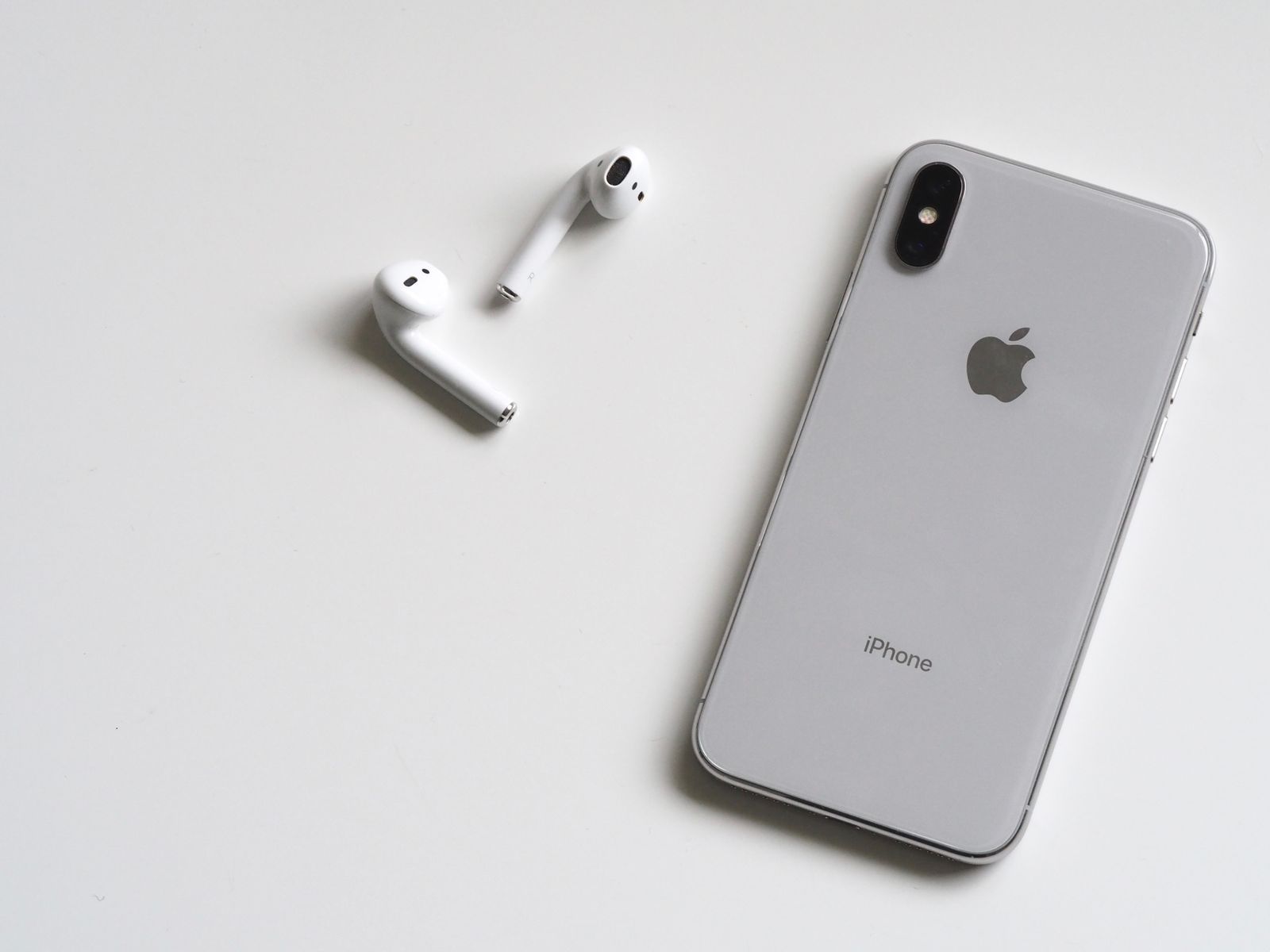
Everyone is asking whether to wait for iPhone 18 Pro, and which features actually matter — almost nobody puts the countdown, the evidence grades, and a 90-second event-night checklist on the same page. Below we walk the calendar, A20 Pro, variable aperture, under-display Face ID, and the foldable. Numbers are supply-chain and press estimates as of 5 September 2026, not an Apple commitment.
The August complete iPhone 18 prediction covered the split lineup and price bands. The fall event timetable already locked 9 September. This piece does one job: in the last days before the keynote, unpack the four features most worth watching — and most often written wrong.
Countdown: days left, start time, what to watch first
The invite is out. The theme is Surprise and shine. The venue is still Apple Park in Cupertino. The easy mistake: doors open at 10:00 PDT on 9 September, which is 01:00 on Thursday 10 September in Beijing and Taipei — not “Tuesday evening.”
| Milestone | Local time | Confidence |
|---|---|---|
| Keynote start | 9 September, 10:00 PDT (10 September 01:00 CST) | Official |
| Pro / Pro Max pre-order | About 2–3 days later (many reports say 12 September) | Medium-high |
| Pro on sale | About a week after pre-order | Medium |
| Foldable on stage | Same keynote | Medium-high |
| Foldable in volume | More likely around December 2026, first wave tight | Medium |
| Standard iPhone 18 / 18e / Air 2 | Spring 2027 | Medium-high |
Expect only the expensive phones: iPhone 18 Pro, 18 Pro Max, and Apple’s first book-style foldable (rumored Ultra / Fold). ~~“The whole family ships in September”~~ is last year’s habit. Drop it.
On a developer calendar, iOS 27 RC / GM matters more than launch day. You do not need the new handset in the building to start Xcode work. A dedicated Cloud Mac can take the beta now.
Four features: evidence first, marketing second
| Feature | Mainstream rumor | Evidence | Why it matters |
|---|---|---|---|
| A20 Pro | TSMC 2nm + WMCM, 12GB on Pro | High | Decides which Apple Intelligence features stay on-device |
| Variable aperture | First physical aperture on the main camera | Medium-high | Depth of field leaves the algorithm and returns to glass |
| Under-display Face ID | Some TrueDepth parts move under glass; Dynamic Island shrinks | Medium, contested | Strong look; “bezel-less Face ID” is the sentence most often wrong |
| iPhone Fold | Book fold, ~7.8-inch inner, ~5.5-inch cover | Medium-high (announce); medium (ship) | Same stage ≠ same week pickup |
Silicon and variable aperture are the ones most likely to be written into the spec page. Island size and foldable ship month are the ones to fact-check against official photos and the pre-order page.
A20 Pro: why 2nm and WMCM beat a Geekbench poster
Every year gets a new chip. A20 Pro is being framed as a larger-than-usual leap for two hardware reasons, not another 10% on a chart:
- TSMC 2nm: Apple’s first phone silicon off the 3nm generation. Efficiency shows up in battery life and on-device decode cost.
- WMCM (wafer-level multi-chip module): compute and memory sit closer. Bandwidth and heat are for on-device models, not a poster.
RAM consensus for 18 Pro / Pro Max / the foldable is still 12GB. iPhone 17 standard is 8GB. The extra gigabytes are a feature gate, not “a bit smoother.” Public reporting already ties some on-device voice personalization and higher-accuracy dictation to at least 12GB, on device.
For the on-device vs cloud split, read Apple AI chips: local compute and the cloud. For how Siri sits on Gemini, see Why Siri is plugging into Google Gemini.
Check this block before the camera reel:
Process language for A20 / A20 Pro (2nm vs “second-gen 3nm”)
Unified memory: 12GB on both Pro and Fold?
The “requires Apple Intelligence” footnote list
Whether C2 ships on Pro, or only on next spring’s standard phone
For app teams: keep iPhone 17 (8GB) + 18 Pro (12GB) in the matrix. Do not test only the newest flagship.
Variable aperture: the first time the iris is physical
This is the closest thing to a generation change in iPhone photography. Computational shallow depth of field stays; the new option is a physical choice on the main camera:
- Shallow: cut the subject out of the background
- Medium: subject sharp, background still readable
- Deep: everything sharp — documents, whiteboards, night groups
It also meters light. Low light is not only higher ISO and stacked frames; daylight overexposure can stop down before the algorithm starts. Side rumors: three 48MP cameras (main / tele / ultra-wide), a faster telephoto, and Camera Control 2.0 that drops the fussy capacitive gestures for a button that simply clicks.
One yellow flag: a few leaks say variable aperture is Pro Max only. That is not the consensus. On event night, open the tech specs and hit Cmd + F for aperture. See if Pro and Pro Max share a row.
The selfie camera is rumored at 24MP (from about 18MP). That upgrade may land more widely. Do not bundle it with variable aperture as a Pro-only selfie story.
Under-display Face ID: a smaller island, not a hole-less phone
The supply chain has not closed this one.
Version A (the look piece): some Face ID / TrueDepth parts move under the display. Dynamic Island shrinks by about half — the smallest cutout in years. A few prototype shots claim you can already glimpse a sensor through glass.
Version B (the later, cautious piece): full under-display Face ID is not ready. The island shrinks; the infrared flood and camera do not vanish.
In shopper language: you will see a smaller Dynamic Island; you will not get “invisible, hole-less Face ID”. The foldable is more likely to use side Touch ID and spend the interior on the hinge and battery.
Two other design notes that will get a slide, not a purchase case:
- After the two-tone 17 Pro back drew complaints, 18 Pro is said to blend aluminum and glass more evenly
- Color rumors: Dark Cherry / burgundy, Sky Blue, black; silver may exit
Those are cheap “it looks new” signals. For developers, whether the Dynamic Island API freezes matters more than millimeters of pill.
iPhone Fold: same keynote, not the same pickup week
Apple’s first book-style foldable is almost certain to appear on 9 September. The name may be iPhone Ultra or simply Fold — wait for the invite copy and the pre-order URL.
| Item | Rumor | How to read it |
|---|---|---|
| Inner display | About 7.8 inches | Open width closer to a small iPad |
| Cover display | About 5.5 inches | More “usable as a phone” than early tall folds |
| Unlock | Side Touch ID likelier than full Face ID | Room for hinge and battery |
| Price | $2,000–$2,500 starting USD | First-year yields; do not bet on a fast cut |
| Supply | Announce in September, pickup maybe December | The ship-by line on the pre-order page beats the keynote line |
Ming-Chi Kuo and others are colder: the foldable may only take a bow, with shipments slipping. Optimistic case: sells with Pro, still allocated. Pessimistic case: real availability slides into early 2027.
Year one is for people with loose budgets who can live with expensive repairs and slow supply. Keep a slab 18 Pro as the daily driver plan.
Ninety seconds on event night
- Hear starting price and the lowest storage SKU before the camera reel. 17 Pro is $1,099 before tax in the US; the 18 Pro consensus band is $1,199–$1,299 (some write $1,399).
- Open the tech specs. Check RAM and the Apple Intelligence footnotes. Ignore the montage.
- Variable aperture: same row on Pro and Pro Max? Face ID: official close-ups, not concept renders.
- Foldable: ship month and first countries, not the hinge animation.
- If standard 18 is “see you in spring,” that is a split, not a cancellation.
- Developers: put iOS 27 GM on a dedicated Mac and regress App Intents. Do not fight the simulator on the machine you edit on.
- Wait for official battery numbers?
- Yes. 2nm and the C2 modem sound efficient; Pro Max brightness and a second foldable display still need lab numbers. Pro Max is rumored past 5,000mAh, with a possible 2TB tier.
- Can I multiply the US price into local currency?
- No. Local list prices usually land hours after the keynote. Do not order a domestic SKU from a US spec sheet.
- Will trade-in cover the hike?
- Part of it. It rarely eats a $100–$300 list-price step in full.
Who should buy, who should wait
| Your situation | Move | Why |
|---|---|---|
| iPhone 15 / 16, battery still fine | Watch 9 September, then decide | The information gap is days; full-price 17 Pro is a poor buy now |
| Must replace this week | 17 standard or refurb, not full-price 17 Pro | The Pro premium dies the week 18 Pro lands |
| Need variable aperture, 12GB, top on-device AI | 18 Pro / Pro Max at fall launch | Spring standard may still lack these |
| Hard cap at “standard flagship money” | Wait for spring 2027 iPhone 18 / 18e | There is no cheap new iPhone this fall |
| Want to be first on a fold | Pre-order, plan on December in hand | Yield rumors are tight |
| iOS / CI developer | Buy the phone as above; do not tie the build machine to launch day | A dedicated Mac node runs Xcode without the launch-week queue |
FAQ
Will iPhone 18 Pro be announced on 9 September?
Yes, on Apple’s already-sent fall invite. Surprise and shine is expected to show 18 Pro, 18 Pro Max, and the foldable. Standard 18 is more likely spring 2027.
What is the difference between A20 Pro and a regular A20?
Pro is expected to be the full 2nm + WMCM part with 12GB. Standard iPhone 18 is also rumored to use an A20, with clocks, cache, or NPU cut a step. Trust the spec page, not the chip name alone.
Does under-display Face ID mean no hole at all?
Probably not. The safer read is a much smaller Dynamic Island with some sensors under glass. Full “invisible Face ID” still has supply-chain sources saying it is not ready. Wait for the product photos.
Is variable aperture Pro Max only?
A few leaks say so. That is not the consensus. Compare Pro and Pro Max tech specs on the night. Do not treat it as locked.
Is the first-year foldable worth buying?
Only if the budget is loose and you can live with costly repairs and slow supply. Plan the daily phone as a slab 18 Pro. The pre-order ship month beats the keynote hinge demo.
ZavCloud Developer Infrastructure
Do not run Xcode and the simulator on the same daily machine launch week
Around iOS 27 GM, a dedicated Mac node is the place for regression, not a laptop sharing RAM with edits and calls.
Rent a Mac mini by the day or the month, 1Gbps egress, and keep a stable window for CI and the device matrix.