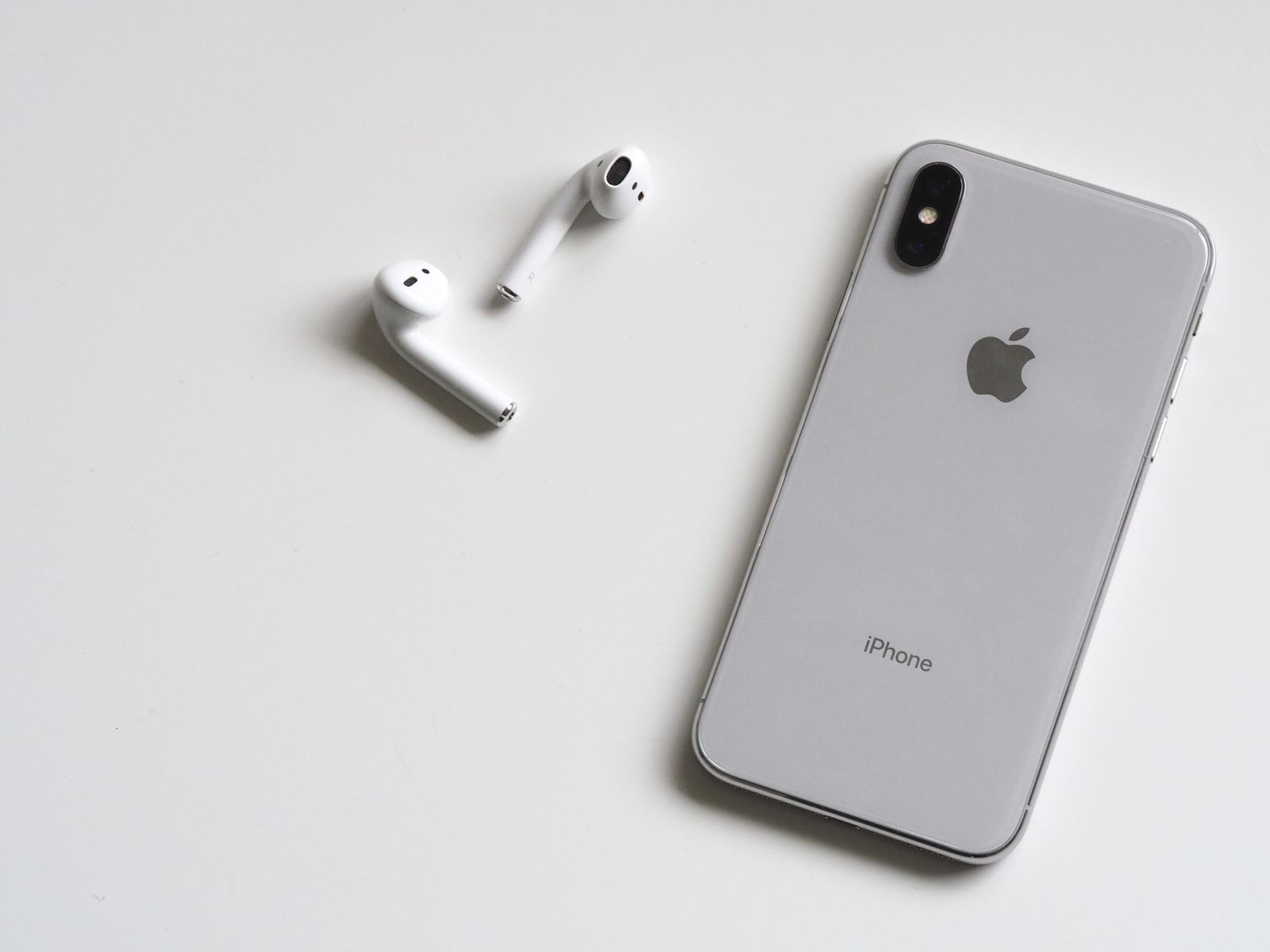
The “up to $1,200 / $0 per month” on the poster is rarely the cash you actually skip at checkout. Below we split Apple Trade In, carrier bill credits, and selling the old phone yourself: how the money arrives, what else you lock in, and how much you still pay for an iPhone 18 Pro. Figures follow the official trade-in ceilings after the 9 September 2026 event, carrier footnotes, and mid-market resale — not the hero number in the cart.
Read it right: “is it worth it” starts with whether the money hits the cart today or drips off a 24–36-month bill. The common misread is treating a carrier’s up to $1,200 / $0 phone as an instant discount — the footnote is bill credits, tied to a required plan.
Three paths, three ways the money lands
The same handset has three exits. Align the form of the money before comparing the dollars.
| Path | How you get paid | Speed | What else you bind |
|---|---|---|---|
| Apple Trade In | Instant credit at Apple checkout (US); other regions often use a partner quote, paid after inspection | Fast: quote enters the cart | Condition questionnaire; ship-in window (often 14 days); inspection can cut the number |
| Carrier deal | Bill credits, commonly 24–36 months; posters say “up to $1,200” | Slow: monthly | Required plan, new line vs upgrade, stay-on-network; leave early and credits claw back |
| Resale | Cash or platform payout (Swappa / eBay / a local shop) | Medium: listing, meetup, or grading | Time, disputes, locks, a proper wipe; not tied to buying the new phone |
“Trade-in always loses” and “$0 from the carrier is free” are both wrong. Apple sells certainty and a clean wipe. The carrier sells a plan lock. Resale sells the spread — and the friction.
List prices first, from our four-region table: US 256GB is commonly $1,199 if you pick AT&T / T-Mobile / Verizon at checkout, or $1,299 if you connect later. Mainland China 256GB is ¥9,999 (512GB ¥11,999, 1TB ¥15,499). Pro vs Max is one tier — see the six-gap guide.
Apple Trade In: instant credit, already cut on 9 September
The US store is the market that prints a public band: up to $175–$885 for iPhone 13 and later (older models can sit near $35). Apple does not publish a per-model table. Recorders on event day saw most iPhones move down, some by as much as $120. There is no posted date for a rebound.
| Old phone (excellent, “up to”) | August record | After 9 Sep | Gap vs 18 Pro at $1,199 |
|---|---|---|---|
| iPhone 17 Pro Max | New this cycle | $885 | $314 |
| iPhone 17 Pro | New this cycle | $785 | $414 |
| iPhone 17 / Air | New this cycle | $585 | $614 |
| iPhone 16 Pro Max | $720 | $610 | $589 |
| iPhone 16 Pro | $630 | $510 | $689 |
| iPhone 16 / 16 Plus | $480–$485 | $430 | $769 |
| iPhone 15 Pro Max | $530 | $455 | $744 |
| iPhone 15 Pro | $420 | $370 | $829 |
| iPhone 14 Pro | $335 | $285 | $914 |
| iPhone 13 | $205 | $175 | $1,024 |
These are ceilings. Battery, glass, cameras, or Activation Lock will drop a tier. At checkout, Cmd + F for trade-in, or open the Apple Trade In questionnaire — faster than the poster.
Mainland China does not publish a model grid. A partner estimates; the footnote says the estimate is not the final credit, inspection can cut it, and VAT is on the full new-phone price. Do not mix in two other programs:
- Retailer top-ups: in the September 2026 pre-order window, JD advertised up to ¥900 extra on 18 Pro-series trade-ins (early-bird tickets have their own rules). That is a store bonus, ~~not~~ a line on Apple’s own grid.
- iPhone Upgrade Program: months 3–15, at least 50% of original purchase price. If you are already in the program, do not run a normal Trade In — you can exit the plan and owe the residual.
Taiwan prints numbers (18 Pro 256GB NT$44,900):
| Old phone | TW Apple max | Cash to add for 18 Pro |
|---|---|---|
| iPhone 17 Pro Max | NT$36,200 | NT$8,700 |
| iPhone 17 Pro | NT$29,800 | NT$15,100 |
| iPhone 16 Pro | NT$20,900 | NT$24,000 |
| iPhone 15 Pro | NT$15,700 | NT$29,200 |
Shop take-ins sometimes sit on the official number: Landmark’s large sample had 17 Pro 256GB peak recycling stuck near NT$29,500 for months, next to Apple’s 29,800. Treat that as a ruler, not a US or CN quote: one-year Pros still look hard in public grids; three-year phones are where official and street prices diverge.
Carrier deals: the poster is a term, not a till discount
Apple’s 18 Pro page says up to $1,200 in carrier credit. AT&T’s own pre-order page lists 256GB at $1,199.99 retail and $0 / month if the trade-in and plan qualify — credits over 36 months. Verizon’s usual split is up to $1,200 on a new line and about $1,020 on an upgrade (read that day’s footnote).
Undo the poster:
| Math | Figure | Meaning |
|---|---|---|
| Headline credit | $1,200 | 36 bill credits, not instant |
| Per month | $33.33 | Miss a condition, the drip can stop |
| Plan step-up | e.g. +$20 / mo | 36 × $20 = $720 eats most of the “free” |
| Sales tax | On the full price at sale | CA / NY often add 8%–10% |
| Early exit | Remaining credits reverse | The “$0 phone” becomes unfinished principal |
China has no single $1,200 national grid, but the logic is the same. Shanghai Mobile’s launch booking touted up to ¥4,999 off on a plan step-up, and Global Pass + tenure up to ¥6,000+ — that is a contract, not an unlocked web price. China Unicom’s recent pattern is ¥99 / 129 / 199 tiers for 12 or 24 months, with phone subsidies of a few hundred to about ¥1,500, varying by province.
One line for any contract phone:
True cost = cash at signup + (contract plan − what you would have paid anyway) × months
          + ETF risk + broadband / number bundles
If you already sit on the required premium plan and will stay, the headline cut is close to real. If you climb from a cheap plan to keep a ¥4,999 sticker, +¥100 × 24 = ¥2,400 and the poster is half talk-time. Taiwan’s Far EasTone “NT$2,699 / month, 48 months, 18 Pro 256GB for NT$0” is the extreme version — four years of bills are the purchase, ~~not~~ a free handset.
US checkout hides another $100: pick a carrier and 256GB often shows $1,199; “connect later” is $1,299. ACMI / Apple Upgrade footnotes also require a carrier tick, but the device still ships unlocked. That is a checkout-path gap, not a second Trade In.
Resale: the spread is real, so is friction
Resale is cash. It does not require you to buy an 18 Pro. Mid-September 2026 Swappa sold medians (unlocked, 256GB):
| Old phone | Apple ceiling | Swappa sold median | Spread before fees |
|---|---|---|---|
| iPhone 17 Pro | $785 | about $919 | about $134 |
| iPhone 16 Pro | $510 | about $705 | about $195 |
A 15%–30% gap shows up almost every generation. Platform fees, shipping, haggling, and days unsold eat some of it. Carrier-locked units drop again: the same 16 Pro sells higher unlocked than on Verizon / AT&T.
There is no single Chinese national board. Use the ruler this way:
- Taiwan shops: 17 Pro 256GB peaks near NT$29,500; 15 / 16 lines loosen once 18 Pro is on shelves.
- Mainland Xianyu / recyclers: partner quotes usually sit below private buyers, often by about an accessory. Private listings pay more and collect bargaining risk.
- NAND is expensive this year: post-16 Pro large-capacity residuals look firmer than last cycle — that is not a reason to hoard forever. Set an exit date.
Hidden resale steps: turn off Find My, sign out of iCloud, erase all content and settings, confirm the carrier lock is gone. Skip one and the bid can go to zero.
Same phone, three top-up numbers
Anchor the new phone at 18 Pro 256GB, $1,199 at US carrier checkout (swap in ¥9,999 or NT$44,900; the shape stays). Assume the old phone hits Apple’s ceiling and resale uses the medians above, before fees:
| Old phone | Apple Trade In | Sell, then buy ($1,199 − median) | Carrier poster (eligible phone + plan) |
|---|---|---|---|
| 17 Pro | $414 today | about $280, if you close the sale | $0 / mo on paper; $1,200 over 36; plan delta extra |
| 16 Pro | $689 | about $494 | depends on tier; upgrades often pay less than new lines |
| 15 Pro | $829 | usually still tens to ~$100 less (condition) | may only clear a mid tier, ~~not~~ $1,200 |
| iPhone 13 | $1,024 | thin spread, time hurts more | many “up to” tiers will not take it |
For mainland readers, three anchors:
- New phone ¥9,999 (256GB).
- Official credit = partner questionnaire — no US-style public model table; JD’s window added up to ¥900.
- A ¥4,999 carrier cut must subtract “plan step-up × months”. If you would not have bought that plan, the discount is talk-time, not Apple lowering the phone.
Developers: a few hundred dollars saved on the handset will not replace a Mac that is also your daily driver. Device debug and CI still want a separate node — Mac cloud plans when you need one.
Hidden costs: tax, shipping, inspection, locks, time
Outside the tables, these five most often erase an “on-paper win”.
- Tax on the full new price
- US sales tax and mainland VAT footnotes both use the full sticker. Trade In cuts cash due, not the tax base.
- Inspection haircut
- You ticked “screen fine”; they find a hairline crack; you owe a top-up or lose the credit. Mainland partners often want the old phone within about 14 days of the new one arriving.
- Carrier lock and Activation Lock
- Financed locks, Find My still on, leftover iCloud — Apple can refuse; a private buyer can walk.
- Time
- The extra $100–$200 from a private sale can cost a weekend of chats and a courier. If you need launch day (18 September), time is a line item.
- Upgrade Program vs ordinary Trade In
- The two plans fight. If you are already on Upgrade, check eligibility before you run a normal trade-in.
Who should take which exit
| Where you are | Sensible exit |
|---|---|
| Want launch stock, no haggling, clean device | Apple Trade In. You buy certainty and less cash today |
| Already on the required premium plan, will stay 24–36 months | Carrier. Price the plan delta before the poster |
| 16 / 17 Pro, unlocked, two days to close a sale | Resale. Those two generations hold the widest spread |
| iPhone 13 or older, or a repair history | Official or a shop. Private premium is thin; dispute cost is not |
| Stepping up a plan and locking four years for “$0” | Add four years of bills first. The phone is not free |
| Comparing Xianyu to Apple.cn | Questionnaire + whether JD stacks ¥900 + same-grade sold comps, side by side |
Whether you should upgrade at all (17 Pro and 18 Pro share the full on-device tier) is the iOS 27 five-phone table. This piece only answers how to exit the old phone.
90-second pre-order checklist
Trade-in ledger (ignore the poster)
[ ] Local new price: US $1,199 / $1,299, CN ¥9,999, TW NT$44,900 (256GB)
[ ] Apple Trade In questionnaire ceiling (not the “up to $885” line)
[ ] Did 9 Sep already cut it? How many days is the quote good?
[ ] Carrier: how many months is $1,200, which plan, new line vs upgrade
[ ] Plan delta × months — does it eat the “$0”
[ ] Resale: unlocked sold median − fees − your time
[ ] Tax, ship-in window, Find My / carrier lock
[ ] Upgrade Program status (do not double-run Trade In)
The pre-order page beats keynote copy. The numbers move; what does not move is how each path pays you.
FAQ
Does Apple Trade In always lose?
Against a clean unlocked resale, official ceilings usually sit 15%–30% lower. You are buying instant credit, a wipe, and no meetup. The gap is widest on 17 Pro / 16 Pro; on 13 and older it often fails to pay for your time.
Is the carrier $0 phone real?
The monthly line can read $0 if the old phone and plan qualify and you stay. Credits are a bill, not a till discount; tax is on the full price; leave early and they reverse. Plan delta × months is the real cost.
Is private sale always higher?
Same grade, private buyers often pay more — not a guarantee. Locked, weak-battery, or repaired units can do worse with a recycler. Take three quotes.
Why doesn’t mainland China match the US table?
CN credits are partner estimates with no public per-model cap. The US table is a ruler, not an RMB promise. Use the apple.com.cn questionnaire and the inspection.
Should I wait for values to bounce?
They already fell on 9 September. Apple has not posted the next review date. Waiting for a maybe means betting against a cut that is already on the record.
ZavCloud Developer Infrastructure
Before you swap phones, separate Xcode from daily keys
A few hundred saved on the handset will not replace a Mac that is also your daily driver.
Rent a dedicated Mac mini by the day — separate disk and account for CI and device debug.